Why Cartridge Selection Matters More Than the Gun Itself
The Best Handgun Ammo for Every Shooter, Purpose, and Budget
Picture this: you’re at the range, your pistol is loaded, and with a smooth trigger press, that handgun ammo fires a bullet downrange with a satisfying thud into the target. At its core, handgun ammo is a self-contained 7mm WSM Ammo for Sale cartridge made of a brass case, primer, powder, and a bullet, all working together to convert stored energy into controlled propulsion. This design gives you reliable ignition and consistent performance, whether you’re practicing accuracy or checking your carry load’s stopping power. To get the best results, simply match the correct caliber to your firearm, store rounds in a cool, dry place, and always check that each cartridge seats fully before you squeeze.
Why Cartridge Selection Matters More Than the Gun Itself
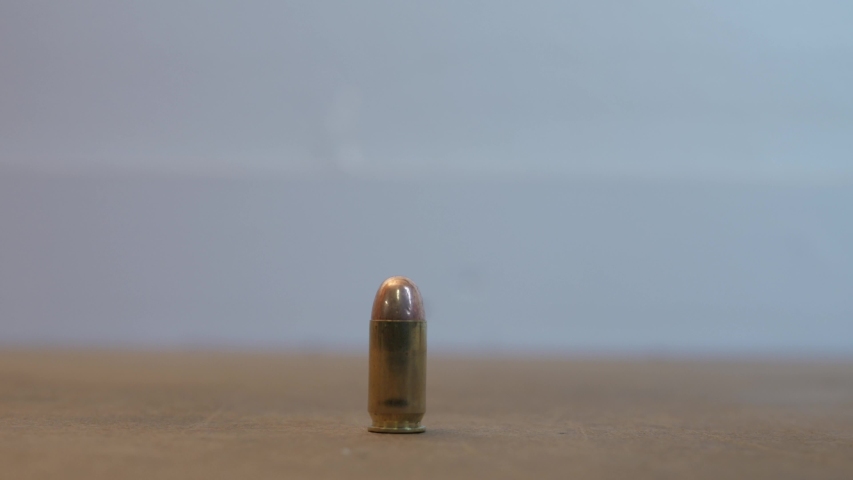
The handgun is merely a delivery system; the cartridge is the payload that defines the outcome. Selecting the right handgun ammo—bullet weight, construction, and velocity—matters more than the firearm because terminal performance, recoil management, and reliability hinge entirely on that choice. A $3,000 race gun firing the wrong load (e.g., a fragile target round for defense) will fail you, while a budget pistol with a proven duty cartridge like a bonded hollow point will excel. Matching the cartridge to your specific threat profile and firearm’s barrel twist rate is the single most decisive factor in stopping power and accuracy. Recoil impulse differences between 9mm, .40, and .45 affect follow-up shot speed far more than frame material or trigger weight. Your gun’s manual is a suggestion, but your ammo’s ballistic gel test is the verdict. Test multiple loads to find the one your particular barrel stabilizes best—that is where actual performance lives.
How Bullet Weight Changes Recoil, Flip, and Follow-Up Shot Speed
Heavier bullets generate more recoil due to greater momentum, increasing muzzle flip and slowing sight reacquisition. Lighter bullets, conversely, produce snappier but shallower recoil impulses, allowing the barrel to return to zero faster and accelerating follow-up shot speed. This trade-off directly affects split times: a 147-grain load may feel like a push, while a 115-grain round’s brisk jolt can be compensated with a firmer grip. For competitive shooters, lighter projectiles often reduce vertical displacement, enabling quicker second shots. However, excessive muzzle rise from heavy loads demands aggressive recoil management, sacrificing precision unless the shooter’s technique is highly refined. Ballistic efficiency—not just bullet mass—dictates how rapidly you regain sight alignment.
Q: How does bullet weight change follow-up shot speed?
A: Lighter bullets typically shorten recovery time by producing less rotational torque, minimizing flip. Heavier bullets feel slower but may shoot flatter if velocity compensates; your grip strength dictates whether that trade-off favors speed or control.
The Real Difference Between Full Metal Jacket and Jacketed Hollow Point
The real difference between Full Metal Jacket and Jacketed Hollow Point comes down to what happens after the bullet enters a target. An FMJ’s lead core is fully encased in copper, so it tends to punch a clean hole and keep going, which is great for cheap practice but poor for stopping a threat. A JHP, however, has a hollowed nose that plugs with tissue, causing the bullet to expand dramatically. That expansion creates a wider wound channel and, crucially, dramatically reduces the risk of over-penetration, making it the safer, more effective choice for defensive carry.
- FMJ feeds reliably but offers minimal tissue disruption.
- JHP expands to roughly 1.5 times its original diameter.
- JHP dumps more energy into the target, while FMJ often exits completely.
- Practice with FMJ, but load your carry gun with JHP.
What Velocity and Pressure Ratings Tell You About Feel and Performance
Velocity and pressure ratings translate directly into how a cartridge behaves in your hands and on target. Higher pressure often means a snappier recoil impulse, making the gun feel sharper, while lower pressure produces a softer, more controllable push that aids rapid follow-up shots. Velocity, meanwhile, dictates bullet impact and point of impact shift; a faster load will typically shoot flatter at typical self-defense distances, but it can also increase muzzle flip. For practical tuning, look at these numbers to match your firearm’s recoil spring and your grip strength. Reading pressure and velocity together reveals the true character of a load—whether it cycles reliably, tracks predictably, and lets Rifle Ammo for Sale you stay on target. Perceived recoil is rarely about the gun; it’s baked into the cartridge’s rated output.
- Check pressure ratings for cyclic reliability with your gun’s spring weight.
- Compare velocity to your sight height for zeroing adjustments.
- Use both to predict muzzle rise and control during rapid fire.
Matching the Right Load to Your Handgun’s Purpose
Matching the right load to your handgun’s purpose begins with defining the role—defensive, target, or hunting loads differ drastically in projectile weight and velocity. For personal defense, select a jacketed hollow point engineered for consistent expansion and controlled penetration, typically 124–147 grain in 9mm, ensuring reliable cycling in compact slides. Target practice demands full metal jacket rounds with moderate recoil and consistent accuracy, as these mimic training without the cost of premium defensive ammunition. For hunting larger game, use a heavy, bonded or hard-cast bullet that penetrates deeply, but verify it generates enough energy at your barrel’s length. The same cartridge can feel like a completely different weapon when you switch from a light, fast load to a heavy subsonic one, so test several options for cycling and point-of-aim. Always confirm your handgun’s manual specifies minimum bullet weight or pressure limits, since a light load may fail to lock the slide back while an overly hot load accelerates wear. Ultimately, the load that prints closest to your sights under rapid fire is the one worth carrying—regardless of marketing claims.
Range Practice vs. Personal Defense: Where Each Round Excels
For the range, **full-metal-jacket ammunition** is the undisputed champion, delivering reliable cycling and cost-effective repetition that builds muscle memory without punishing your wallet. In personal defense, however, a jacketed hollow point excels by expanding upon impact, creating a larger wound channel and drastically reducing the risk of over-penetration through walls. While practice rounds prioritize function and affordability, defensive loads demand terminal performance. Your training should always mimic your carry load’s recoil profile, but reserve premium hollow points for the final confirmation of reliability, not hundreds of daily drills.
- FMJ rounds excel at high-volume practice, saving money for trigger time.
- Hollow points excel at stopping threats, limiting collateral damage.
- Test your defensive round’s point-of-impact shift versus your practice load.
Compact and Subcompact Pistols: Which Grain Weight Cycles Best
For compact and subcompact pistols, grain weight directly impacts reliable cycling because their shorter slides and stiffer recoil springs need enough gas pressure to work correctly. While a 115-grain load often feels snappy and may fail to fully cycle in a tight, new gun, 124-grain or 147-grain bullets typically provide a smoother, more consistent push that helps the slide return to battery without hiccups. If you’re having stovepipes or failure-to-feed issues with a lightweight 115-grain round, try a standard-pressure 124-grain load first—it usually solves specialty sports the problem without the extra wear of a +P. For suppressed subcompacts, heavier 147-grain subsonic ammo is your best bet, as it cycles quietly while maintaining enough rearward force. Stick with what your specific model is known to prefer, and test a few boxes at the range before trusting one for carry.

Revolver vs. Semi-Auto: How Cylinder Gaps and Feed Ramps Affect Your Choice
The revolver’s cylinder gap bleeds hot gas, which drops velocity and can spit unburned powder flakes—so you’ll want a stout, crimped load that won’t jump under recoil. Semi-autos, meanwhile, rely on a feed ramp to guide the cartridge home, meaning **bullet shape matters more than power**; a flat-nosed round can catch and jam. Match your ammo to these mechanical quirks, not just caliber. Revolver vs. Semi-Auto: How Cylinder Gaps and Feed Ramps Affect Your Choice boils down to pressure vs. profile.
Q: Does a cylinder gap make a revolver weaker than a semi-auto?
A: Not weaker, just less efficient—gas escapes sideways, Ammunition for Sale so you lose 5–10% velocity. You compensate with heavier bullets or hotter loads, while semi-autos need reliable feeding over raw speed.
Understanding Terminal Ballistics Without the Hype
When you stop chasing gel-test numbers and start watching how a bullet actually behaves in tissue, terminal ballistics becomes less magic and more mechanics. For handgun ammo, the real story is penetration depth and permanent cavity—not the temporary stretch that fades in milliseconds. Your bullet needs to reach 12 to 18 inches to reliably disrupt vital structures, and that means choosing a load that expands only if it doesn’t sacrifice depth. I’ve seen shooters swap to featherweight hollow points that blossom spectacularly in water jugs, only to fail on heavy clothing and angled ribs. The hype sells on slow-motion fragmentation, but the truth is that most defensive shootings end because the CNS or major vessels get physically torn, not because the target “felt” the impact. Picking a proven FBI-class load—like a 124gr +P 9mm or 230gr .45 ACP—gives you repeatable performance over flashy gimmicks, because shot placement and barrier blindness beat any exaggerated expansion graph you’ll find online.
Penetration Depth, Expansion Diameter, and Why Both Matter for Stopping Power
Penetration depth and expansion diameter are inseparable variables in handgun terminal ballistics. Optimal penetration depth, typically 12–18 inches in ballistic gel, ensures the projectile reaches vital organs despite intervening clothing or bone. Insufficient depth fails to disrupt critical structures, while excessive depth risks over-penetration without additional effect. Expansion diameter increases the permanent wound cavity, accelerating blood loss and tissue damage. A bullet that expands too early may sacrifice penetration, whereas a non-expanding round’s narrow profile reduces tissue disruption. The interaction is a trade-off: deeper penetration compensates for minimal expansion, but a wider expansion profile maximizes energy transfer at adequate depth. Neither metric alone predicts stopping power—both must be balanced against realistic shot angles and barriers. Without sufficient depth, expansion is irrelevant; without meaningful expansion, penetration alone yields a small, often survivable wound track.
| Aspect | Penetration Depth | Expansion Diameter | Why Both Matter |
|---|---|---|---|
| Primary role | Reach vital organs | Enlarge wound cavity | Depth ensures access; diameter ensures damage |
| Failure mode | Under 12” – shallow, non-lethal hits | Under 0.30” – near-FMJ behavior | One without the other reduces stopping power |
| Optimal range | 12–18 inches | 0.45–0.65 inches | Balanced both yields reproducible defense results |
Barrier Performance: How Auto Glass, Drywall, and Heavy Clothing Alter a Bullet’s Path
When a handgun bullet meets auto glass, its path rarely remains true. Tempered glass shatters into dense shards that deflect the nose, often tumbling the projectile before it penetrates clothing layers. Drywall behaves differently—it does not stop the bullet but strips away jacket material and can destabilize the core, causing yaw that reduces penetration depth in a subsequent target. Heavy clothing, like thick denim or leather, can clog the hollow point cavity, delaying expansion and sometimes converting a defense round into a full-metal-jacket-like penetrator. This fabric effect is a critical barrier performance variable that alters wounding potential. Understanding how each barrier deforms or redirects the bullet—rather than assuming straight-line flight—is essential for predicting real-world terminal results with handgun ammo.
Over-Penetration Risks: What to Expect from Standard vs. Premium Defensive Loads
With over-penetration risks from standard vs. premium defensive loads, the primary differentiator is bullet construction, not velocity. Standard full metal jacket (FMJ) rounds will punch through multiple walls or a torso, often exiting with retained energy. Premium defensive loads, using bonded or jacketed Rimfire Ammo for Sale hollow points, are engineered to expand and stop inside the target, drastically reducing exit probability. When assessing risk:
- **Standard loads** (FMJ or non-expanding) rarely fragment, so expect near-full penetration depth—typically 20+ inches in ballistic gel.
- **Premium loads** (e.g., Federal HST, Speer Gold Dot) expand to 1.5x diameter, limiting penetration to 12–16 inches in gel—enough to reach vitals but less likely to exit a human body.
- **Barrier performance** varies: premium loads may under-penetrate after heavy clothing, while standard loads over-penetrate regardless of barrier. Choose premium for concealed carry where bystander risk is high.
Practical Tips for Buying, Storing, and Testing Ammunition
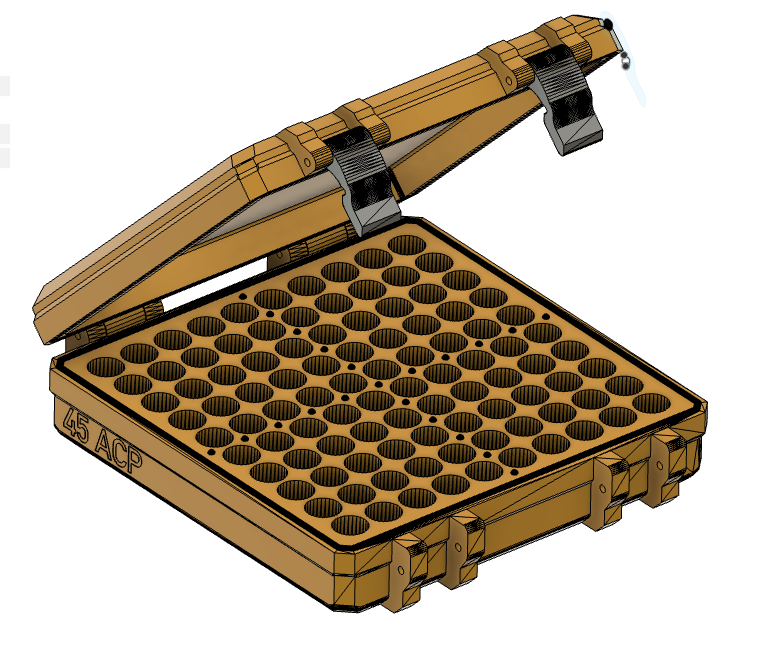
When buying handgun 7mm-08 Ammo for Sale ammo, prioritize lot consistency by purchasing enough of the same batch for your carry or competition gun, and inspect rounds for corrosion or dented primers. For storage, keep boxes in a cool, dry place—ideally below 75°F with low humidity—and use sealed ammo cans with desiccant packs to prevent moisture damage. Testing handgun ammo demands a controlled verification process: fire a minimum of 50 rounds from your actual firearm to check for feeding, extraction, and point-of-impact shifts, then chronograph a sample to ensure velocity matches spec. Always rotate stock by shooting the oldest rounds first, and retest any ammo that has been exposed to extreme temperature swings.
Never trust a handgun load for defensive use until you have confirmed it cycles reliably in your specific magazine and barrel.
Finally, mark your test dates on boxes to track age and performance over time.
How to Read the Box: Caliber, Grain, and Type Codes Explained Simply
The ammo box’s top line lists caliber (e.g., 9mm Luger or .45 ACP), which must match your barrel’s stamp exactly. The grain number (e.g., 115 gr, 230 gr) indicates bullet weight—heavier grains typically recoil more and penetrate deeper. Type codes like FMJ, JHP, or LRN reveal construction: FMJ for cheap range practice, JHP for expansion in self-defense, and LRN for lead-safe indoor ranges. Always verify the complete cartridge designation (e.g., .40 S&W vs. 10mm) since cases differ in length despite similar diameters. Read the muzzle velocity and pressure rating (e.g., +P) to gauge performance.
Caliber, grain, and type codes all work together—match them to your firearm’s specs, intended use, and storage conditions before buying.
Spotting Reliable Brands vs. Budget Picks: What to Check Before You Buy
Before grabbing the cheapest box, check the **primer and case head** for signs of quality—reliable brands like Federal or Speer show clean, uniform stamping, while budget picks often have shallow or rough marks. Feel the bullet’s seating: a wobbly round in the box suggests sloppy manufacturing, a red flag for feeding issues. Look up real-world reviews on forums for your exact handgun model, not just the brand name—budget ammo can run fine in one gun and jam in yours. Also, shake the box; loose powder rattle means poor crimping. Finally, test a small lot before bulk-buying: reliable ammo groups consistently, while bargain rounds may keyhole or spit unburnt powder.
Q: How do I spot a reliable brand versus a budget pick? A: Check for consistent case lengths, tight bullet tension, and clean primers—then verify your pistol’s reliability with a 50-round test before trusting any bargain box.
Proper Storage Temperatures and Shelf Life for Smoke-Free, Reliable Ignition
To guarantee smoke-free, reliable ignition from your handgun ammunition, store it at a steady 55–75°F, avoiding attic heat or garage cold that degrades propellants and sealants. Extreme temperature swings accelerate chemical breakdown, leaving residue that fouls primers and creates smoky, weak ignition. Rotate your stash every 12–24 months for carry rounds, though sealed factory ammo can last a decade at stable temps. Check for discolored cases or loosened primers—those signal spoiled batches unsafe for dependable firing.
- Keep humidity below 50% with desiccants in an airtight container.
- Never store rounds in direct sunlight or near heat sources; UV rays weaken powder.
- Test a single round after 24 months; a clean, sharp report confirms viability.
- Mark purchase dates on boxes to track age and rotate stock systematically.
Common Mistakes Shooters Make with Their First Boxes
With your first box of handgun ammo, the biggest mistake is buying the wrong grain weight because it looks cool or is on sale, ignoring your gun’s twist rate. Shooters also waste rounds by mag-dumping to feel recoil instead of focusing on sight alignment. Another classic error is mixing brands or bullet types in one magazine, which shifts your point of impact and ruins accuracy training. Don’t forget to check the box for sealed primers if you plan to carry it—moisture kills cheap practice rounds. Finally, storing that first box loose in a range bag lets brass dent and powder shift, causing jams. Matching your handgun ammo to the manual’s recommended bullet weight saves frustration and keeps your first sessions productive.
Mixing Bullet Types in the Same Magazine: Why It’s a Bad Idea
Mixing bullet types in the same magazine can wreck your point of impact and reliability. Different bullet weights, shapes, and construction materials (like jacketed vs. lead) alter chamber pressure and feeding behavior. A flat-nose round might jam right after a hollow point feeds smoothly, and your zero shifts between shots, so you miss when you need a 6.5 Creedmoor Ammo for Sale hit. For self-defense, this unpredictability is a liability. Stick with one bullet type per magazine to keep cycling consistent and your aim true. Save variety for the range, not your carry setup.
- Different bullet profiles (e.g., round nose vs. hollow point) change how reliably each round feeds from the mag.
- Mixing weights causes noticeable point-of-impact shifts between shots, especially at longer distances.
- Lead and copper-jacketed rounds can have different friction levels, leading to intermittent failure to eject or cycle.
- It becomes harder to diagnose malfunctions when you can’t trace the problem back to 6.5 PRC Ammo for Sale a single ammo type.
Ignoring Primer Hardness in Cold Weather — and How to Test It
Cold weather stiffens primer compounds, and shooters who ignore this with their first boxes often face frustrating light strikes. A primer that feels normal at 70°F can become hard and unreliable below freezing, especially in budget or older ammunition. To test, load a magazine and let it sit outdoors for 30 minutes, then fire slowly, noting any failures. Compare that against the same ammo kept warm in a pocket. If cold rounds fail, Shotgun Ammo for Sale switch to a primer with a softer cup or store your handgun’s ammo against your body before use. Marginal primer ignition in cold weather is a real, preventable issue—one simple test reveals it before you need that shot.
When to Stick with One Load for Both Practice and Carry
Sticking with one load for both practice and carry becomes essential once your defensive ammunition demonstrates reliable function in your specific pistol and you have verified acceptable accuracy at typical engagement distances. If your chosen carry round cycles flawlessly across multiple range sessions, switching to cheaper practice ammo introduces unnecessary variables in recoil impulse, point of impact, and slide velocity that can mask weapon malfunctions. Consistent training with your actual carry load builds unconscious muscle memory for that round’s specific recoil curve and muzzle rise, ensuring your follow-up shots land where you expect under stress. Even if the defensive load costs more, the benefit of eliminating ammunition-related surprises during a critical incident outweighs the small financial savings from training with a dissimilar round. Only deviate if your carry ammo proves unreliable or wildly inaccurate in your firearm.
Stick with one load when it functions reliably and shoots accurately in your gun, ensuring Handgun Ammo for Sale your practice replicates exactly what you will carry in a defensive situation.